In today’s digital age, smartphone cameras have become an essential tool for capturing life’s precious moments. With the rapid advancements in technology, smartphone manufacturers are constantly striving to improve the quality of their camera systems. But, with so many options available, how do you choose the best smartphone camera upgrade? In this article, we will explore some of the key factors to consider when looking for a new smartphone with an upgraded camera.
Image Quality: The Ultimate Goal
When it comes to smartphone cameras, image quality is the ultimate goal. The ability to capture clear, sharp, and vibrant images is what sets apart a great camera from an average one. While resolution is an important aspect to consider, it is not the sole determinant of image quality. Factors such as sensor size, aperture, and image processing software also play a crucial role in determining the overall image quality.
Sensor Size: Bigger is Better
One of the most important factors to consider when choosing a smartphone camera upgrade is the sensor size. In simple terms, the sensor is the part of the camera that captures the light and converts it into an image. A larger sensor allows for more light to be captured, resulting in improved image quality, especially in low-light conditions. So, if you are someone who enjoys taking photos in dimly lit environments, a smartphone with a larger sensor would be a great upgrade.
Aperture: Let There Be Light
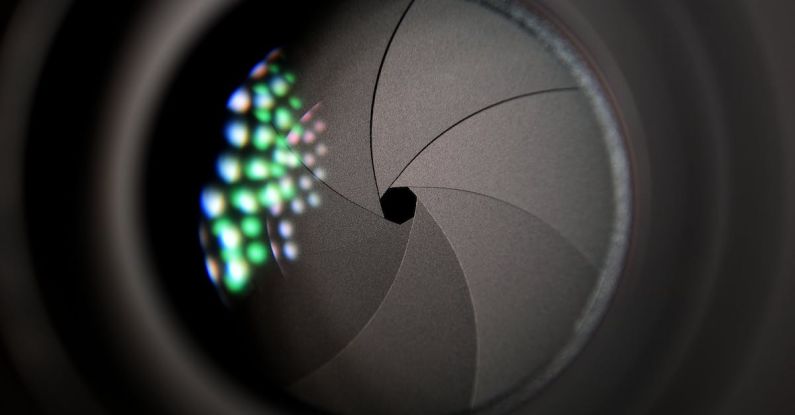
Another crucial aspect of a smartphone camera upgrade is the aperture. The aperture refers to the size of the opening through which light enters the camera. A wider aperture allows for more light to enter, resulting in brighter and more detailed images. Additionally, a wider aperture also allows for a shallower depth of field, which creates a pleasing blur effect in the background of your photos. So, if you enjoy capturing portraits or close-up shots, a smartphone with a wider aperture would be a wise choice.
Image Processing Software: The Magic Behind the Scenes
While hardware specifications such as sensor size and aperture are important, the role of software in image processing should not be underestimated. Smartphones today come with advanced image processing algorithms that enhance the details, colors, and dynamic range of your photos. Look out for smartphones that have a reputation for delivering excellent image processing, as this can greatly enhance the overall quality of your photos.
Additional Features: The Cherry on Top
In addition to the core camera specifications, it is worth considering the additional features that come with a smartphone camera upgrade. Optical image stabilization (OIS) is a feature that reduces blur caused by camera shake, resulting in sharper images. HDR (High Dynamic Range) mode can help capture a wider range of tones and details in high-contrast scenes. And, of course, don’t forget to consider the selfie camera if you enjoy taking self-portraits or video calls.
The Verdict: It Depends on Your Needs
In conclusion, the best smartphone camera upgrade ultimately depends on your needs and preferences as a photographer. If you prioritize low-light performance and want to capture professional-looking photos, a smartphone with a larger sensor and wider aperture would be a great choice. On the other hand, if you value convenience and enjoy capturing selfies or videos, features like OIS and a high-quality front camera should be considered. It is important to carefully assess your requirements and compare the camera specifications of different smartphones before making a decision.
In today’s fast-paced world, where our smartphones have become an extension of ourselves, having a high-quality camera is more important than ever. By considering factors such as sensor size, aperture, image processing software, and additional features, you can make an informed decision when choosing the best smartphone camera upgrade for you. So, get ready to capture stunning photos and create lasting memories with your new smartphone camera!