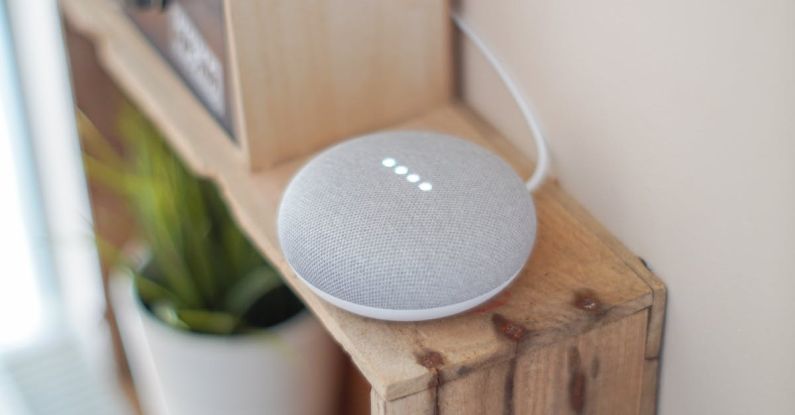
In today’s world, technology is advancing at an astonishing rate. One area where we see this progress is in the realm of smart homes. Smart home technology allows us to control various aspects of our homes with just a few taps on our smartphones or even through voice commands. At the heart of this technology is the smart home hub, a device that acts as the central control system for all the smart devices in your home. In this article, we will explore how a smart home hub works and how it can make your life easier.
What is a Smart Home Hub?
Before we delve into the inner workings of a smart home hub, let’s first understand what it is. A smart home hub is a device that connects to and controls various smart devices in your home, such as smart lights, thermostats, locks, and security cameras. It acts as the central brain of your smart home, allowing you to control and automate these devices from a single interface.
Connecting Devices
One of the primary functions of a smart home hub is to connect all your smart devices together. Most smart devices use different communication protocols, such as Wi-Fi, Bluetooth, Z-Wave, or Zigbee. A smart home hub acts as a bridge between these devices, allowing them to communicate with each other seamlessly.
Control and Automation
Once all your smart devices are connected to the hub, you can control and automate them using a smartphone app or a voice assistant like Amazon Alexa or Google Assistant. For example, you can turn off the lights, adjust the thermostat, and lock the doors all with a simple voice command or a few taps on your phone. Additionally, you can create routines or scenes that automate multiple actions with a single command. For instance, you can create a “goodnight” routine that turns off all the lights, locks the doors, and adjusts the thermostat to your desired temperature.
Smart Home Hub Interfaces
Smart home hubs come with various interfaces to control and monitor your connected devices. Most hubs have a mobile app that allows you to access and control your devices remotely. These apps provide an intuitive user interface where you can customize settings, create automation rules, and monitor the status of your devices. Additionally, some smart home hubs also come with a built-in touchscreen display that provides quick access to commonly used functions without needing to use your smartphone.
How Does the Hub Communicate with Devices?
The communication between the smart home hub and your connected devices depends on the protocols they support. Wi-Fi is the most common protocol used for communication between the hub and devices that are within the hub’s range. However, for devices that are located far from the hub or require low-power communication, the hub may use protocols like Z-Wave or Zigbee. These protocols create a mesh network, where each device acts as a repeater, extending the range of the network.
Benefits of Using a Smart Home Hub
Now that we understand how a smart home hub works, let’s explore the benefits it offers. Firstly, a smart home hub centralizes control, making it easier to manage all your smart devices from a single interface. This eliminates the need to juggle between multiple apps or devices to control different aspects of your home. Secondly, a smart home hub allows for automation, saving you time and effort. You can create schedules or routines that automatically perform tasks based on your preferences or triggers. Lastly, a smart home hub enhances security by integrating all your security devices into a single system. You can receive alerts and monitor your home’s security status in real-time, providing peace of mind.
In conclusion, a smart home hub acts as the central control system for all your smart devices. It connects and communicates with your devices, allowing you to control and automate them easily. With the ability to control your home through a smartphone app or voice commands, a smart home hub offers convenience, efficiency, and security. So, if you are looking to make your home smarter, consider investing in a smart home hub.