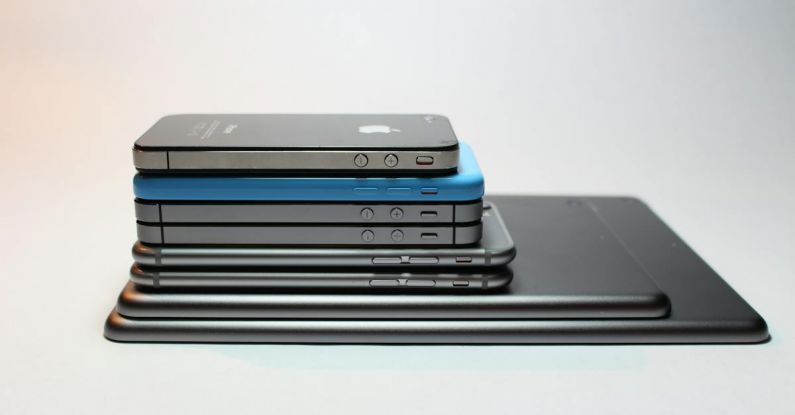
In recent years, smartphones have become increasingly powerful, boasting high-quality cameras and advanced features. With this technological advancement, many people wonder if smartphones can replace professional cameras. While smartphones have certainly made significant progress in the realm of photography, there are still several factors that distinguish professional cameras from their smartphone counterparts.
Image Quality
When it comes to image quality, professional cameras still hold the upper hand. Professional cameras are equipped with larger sensors, which allow for more light to be captured, resulting in sharper and more detailed images. Additionally, professional cameras offer a wider range of manual settings, enabling photographers to have more control over the final output. This level of control allows professionals to capture images in a way that smartphones cannot replicate.
Optical Zoom
One of the key features that professional cameras have over smartphones is optical zoom. Optical zoom allows photographers to physically adjust the focal length of the lens, bringing distant subjects closer without sacrificing image quality. Smartphones, on the other hand, rely on digital zoom, which essentially crops and enlarges the image, resulting in a loss of detail and clarity. For photographers who often need to capture subjects from a distance, the optical zoom capability of professional cameras is indispensable.
Versatility
Professional cameras offer a wide range of lenses and accessories that allow photographers to adapt to various shooting conditions and achieve different creative effects. From wide-angle lenses for landscape photography to telephoto lenses for wildlife shots, the versatility of professional cameras cannot be matched by smartphones. Furthermore, professional cameras often have larger storage options, allowing photographers to shoot in raw format, which preserves more image data and provides greater flexibility in post-processing.
Manual Controls
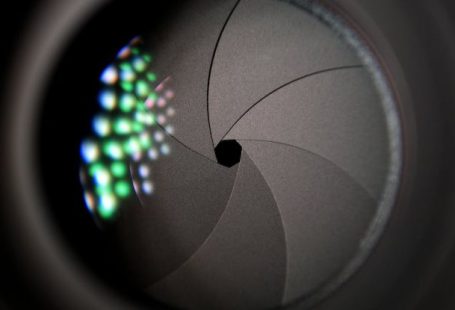
One of the main advantages of professional cameras is the extensive range of manual controls they offer. These controls allow photographers to adjust settings such as aperture, shutter speed, and ISO to achieve the desired effect. While smartphones have made strides in providing manual control options, they still cannot match the level of customization and precision offered by professional cameras. For photographers who value the ability to fine-tune their settings, professional cameras remain the preferred choice.
Specialized Features
Professional cameras often come equipped with specialized features that cater to specific genres of photography. For instance, high-speed continuous shooting modes allow sports photographers to capture fast-moving action with precision. In contrast, smartphones may struggle to keep up with the speed and accuracy required in such situations. Additionally, professional cameras offer advanced autofocus systems that can track moving subjects more effectively, ensuring sharp and in-focus images. These specialized features are crucial for photographers who specialize in certain genres and cannot be replicated by smartphones alone.
Conclusion: Complementary Tools
While smartphones have undoubtedly improved in terms of camera quality, professional cameras still hold an edge in several key areas. From image quality and optical zoom to versatility and manual controls, professional cameras provide photographers with a level of control and customization that smartphones cannot match. However, this does not mean that smartphones are irrelevant in the world of photography. In fact, smartphones can be seen as complementary tools to professional cameras. They offer convenience, portability, and the ability to instantly share images with the world. Ultimately, whether a smartphone or a professional camera is used depends on the specific needs of the photographer and the desired outcome of the images.