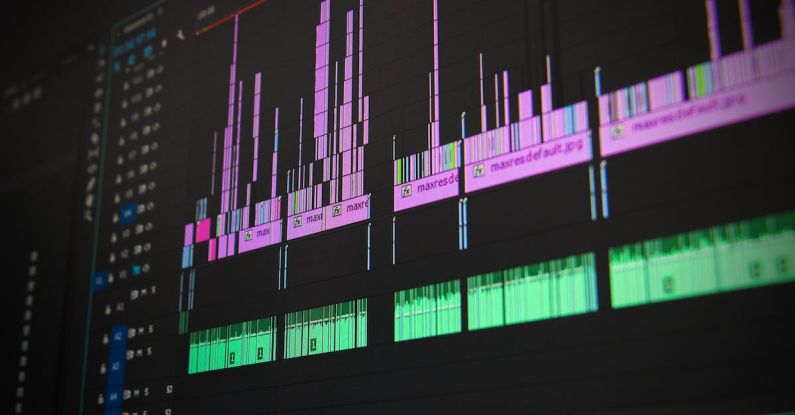
In today’s fast-paced digital world, video editing software has become an essential tool for content creators, filmmakers, and even everyday individuals. As technology advances, so does the capabilities of video editing software, allowing users to create professional-looking videos with ease. In this article, we will explore the latest trends and advancements in video editing software.
1. Artificial Intelligence (AI) Integration
One of the most significant developments in video editing software is the integration of artificial intelligence. AI algorithms can now analyze footage, detect faces, objects, and even emotions, making the editing process more efficient and accurate. For example, AI-powered software can automatically identify and remove background noise, enhance color grading, and even suggest suitable music or sound effects for a particular scene. This integration of AI technology not only saves time but also improves the overall quality of the final video.
2. Real-time Collaboration
Collaboration is crucial in the creative industry, and video editing software now offers real-time collaboration features. Multiple users can work on the same project simultaneously, making it easier to share ideas, provide feedback, and make changes on the go. This feature is especially beneficial for remote teams or individuals who need to work together on a project without being physically present in the same location.
3. 360-Degree Video Editing
With the rise of virtual reality (VR) and 360-degree videos, video editing software has also evolved to support this new format. Users can now edit and enhance 360-degree videos, adding effects, transitions, and text overlays that seamlessly integrate with the immersive experience. This feature opens up a whole new world of creative possibilities, allowing filmmakers to create captivating VR experiences that transport viewers into a different reality.
4. Enhanced Color Grading and Correction
Color grading and correction play a vital role in setting the mood and tone of a video. Video editing software now offers more advanced and intuitive color grading tools, allowing users to achieve the desired look and feel for their videos. With just a few clicks, users can adjust the brightness, contrast, saturation, and hue of their footage, creating stunning visuals that captivate the audience.
5. Motion Tracking and Visual Effects
Motion tracking and visual effects are no longer limited to big-budget productions. Video editing software now incorporates advanced motion tracking technology, enabling users to add 3D elements, text, or graphics that move with the subjects in the video. This feature is particularly useful for creating engaging intros, titles, and special effects that enhance the overall visual appeal of the video.
6. Faster Rendering and Exporting
In the past, rendering and exporting videos could take hours or even days, depending on the complexity of the project. However, the latest video editing software now utilizes hardware acceleration and optimized algorithms to speed up the rendering and exporting process significantly. This means that users can save valuable time and get their videos ready for distribution or sharing in a fraction of the time it used to take.
In conclusion, video editing software has come a long way, and the latest advancements have revolutionized the editing process. From AI integration and real-time collaboration to 360-degree video editing and enhanced color grading, these new features empower creators to produce high-quality videos that captivate and entertain their audience. With faster rendering and exporting capabilities, video editing software has become more efficient than ever before. Whether you are a professional filmmaker or a hobbyist, these new developments allow you to unleash your creativity and take your videos to the next level.