Augmented Reality (AR) has come a long way since its inception, and its evolution continues to shape various industries. From gaming and entertainment to healthcare and education, AR is transforming the way we interact with the world around us. In this article, we will explore the various ways in which augmented reality is evolving and the impact it is having on our lives.
Enhancing User Experience
One of the significant ways in which augmented reality is evolving is by enhancing user experiences. AR allows users to interact with digital content in the real world, creating a seamless blend between the virtual and physical realms. For instance, in the gaming industry, AR has revolutionized the way we play by overlaying digital elements onto the real environment. This technology has opened up new possibilities for immersive gaming experiences, such as Pokémon Go, where players can catch virtual creatures in their own neighborhoods.
Improved Visualization and Communication
Another area where augmented reality is evolving is in visualization and communication. AR can provide a visual representation of complex data, making it easier for users to understand and analyze information. For example, in architecture and design, AR allows professionals to visualize and showcase their designs in real-world settings. This not only helps clients better understand the proposed concepts but also enables architects and designers to make more informed decisions.
In the healthcare industry, AR is transforming the way surgeons operate by providing them with real-time visual guidance during complex procedures. Surgeons can overlay digital information, such as MRI scans or vital signs, onto the patient’s body, allowing for more accurate and precise interventions. This technology has the potential to improve patient outcomes and reduce the risk of errors.
Integration with Wearable Devices
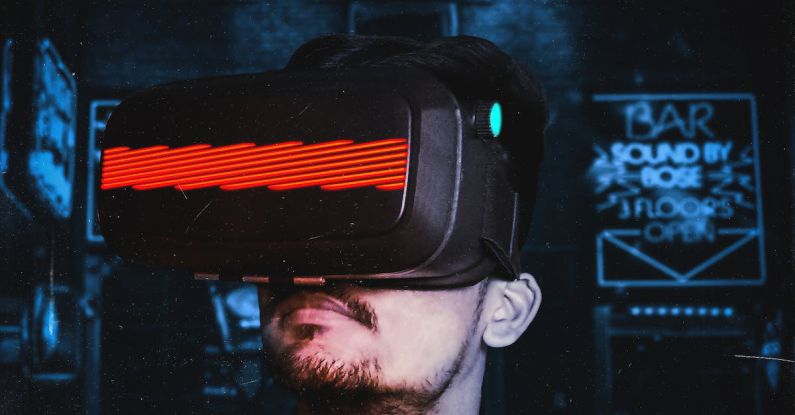
Augmented reality is also evolving through its integration with wearable devices. AR headsets, such as Microsoft HoloLens and Magic Leap, provide users with a hands-free and immersive AR experience. These devices enable users to interact with digital content without the need for a smartphone or tablet. As the technology continues to evolve, we can expect to see more compact and affordable AR headsets entering the market, making AR accessible to a wider audience.
AR and Artificial Intelligence
The integration of augmented reality with artificial intelligence (AI) is another area where AR is evolving. AI-powered AR applications can understand and interpret the user’s environment, enhancing the user experience and providing personalized content. For example, imagine wearing AR glasses that can recognize people’s faces and display their names and relevant information in real-time. This integration of AI and AR has the potential to revolutionize industries such as retail, where personalized shopping experiences can be created based on individual preferences and needs.
The Future of Augmented Reality
As augmented reality continues to evolve, we can expect to see even more exciting developments in the future. With advancements in AR hardware and software, the technology will become more accessible, affordable, and user-friendly. This will pave the way for widespread adoption across various industries, including education, manufacturing, and tourism.
Moreover, the combination of AR with other emerging technologies, such as 5G and Internet of Things (IoT), will further enhance the capabilities of AR in terms of speed, connectivity, and real-time data processing. This will open up new possibilities for AR applications, such as remote collaboration, virtual travel experiences, and interactive smart environments.
In conclusion, augmented reality is evolving at a rapid pace and transforming the way we interact with the world. From enhancing user experiences to improving visualization and communication, AR is revolutionizing various industries. With the integration of wearable devices, AI, and other emerging technologies, the future of augmented reality looks promising. As we embrace the possibilities of AR, we can expect to see a world where the virtual and physical realms seamlessly merge, creating endless opportunities for innovation and exploration.